7 Aug 2026
Behavioral Tracking Through Rewards: Loyalty Programs Mapping Risks in Digital Gaming Platforms
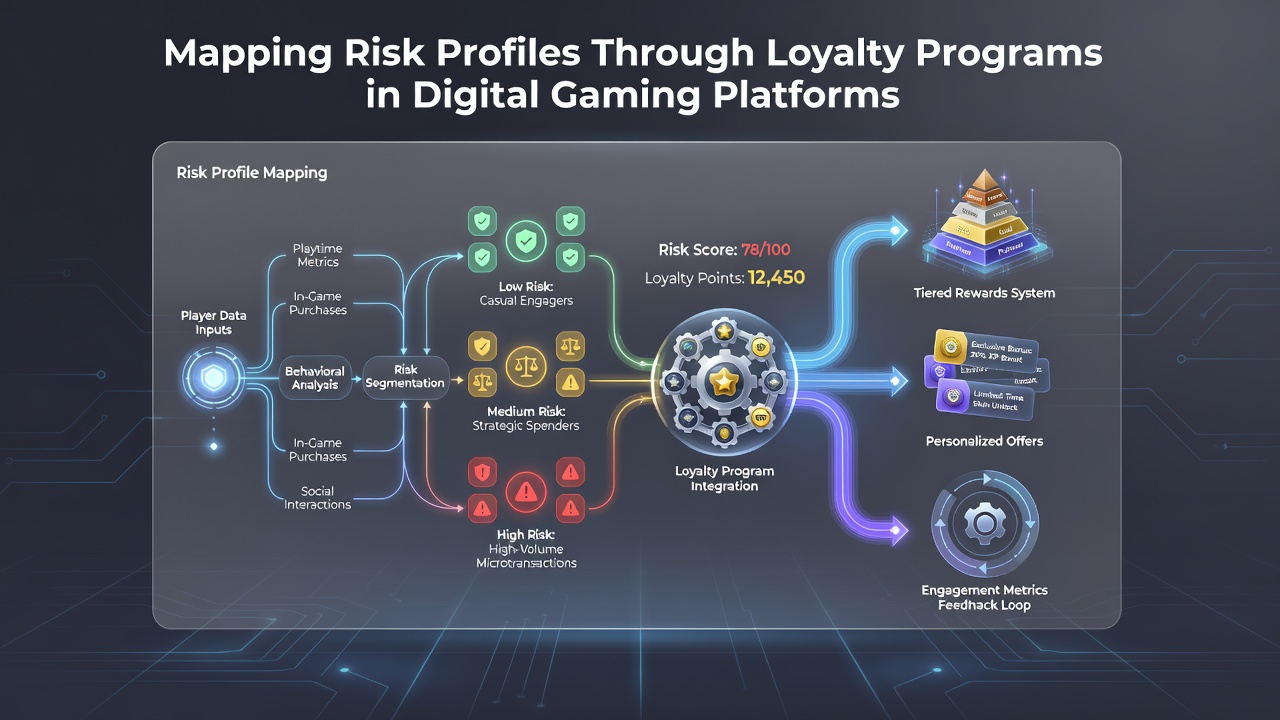
Loyalty programs in digital gaming platforms collect extensive user data through tiered rewards, bonus structures, and engagement metrics that allow operators to construct detailed risk profiles for individual players. These systems track variables such as deposit frequency, session duration, game preferences, and response rates to promotions, creating datasets that reveal patterns associated with financial risk, behavioral concerns, and compliance issues. Platforms integrate these programs with analytics tools to segment users into categories based on activity levels and spending trajectories.
Data Collection Mechanisms in Player Rewards Systems
Digital gaming operators deploy loyalty frameworks that assign points for completed games, time spent on site, and participation in events, with higher tiers unlocking exclusive perks like cashback offers or personalized bonuses. These interactions generate logs that include timestamped actions, payment method selections, and withdrawal requests, which feed into centralized databases for analysis. Researchers at institutions like the University of Nevada have documented how such datasets support predictive models for identifying users who exhibit rapid escalation in betting volumes or irregular play intervals. Platforms often combine this information with external data sources such as device identifiers and geolocation records to refine profile accuracy over time.
One study from Canadian academic teams examined loyalty data from multiple operators and found correlations between high redemption rates of free spins and subsequent increases in deposit amounts among certain user segments. The analysis highlighted how reward redemption patterns can signal shifts in player engagement that warrant closer monitoring for potential issues like account sharing or unusual transaction clustering.
Analytical Techniques for Risk Segmentation
Operators apply machine learning algorithms to loyalty data streams to categorize players according to risk levels, incorporating features like velocity of play, average bet size relative to account balance, and responsiveness to loss-limiting prompts. These models process information in real time, flagging accounts that match established profiles for further review by compliance teams. In August 2026, several international platforms reported updates to their segmentation protocols following the release of new industry guidelines from bodies outside the UK, including updates aligned with standards from the Nevada Gaming Control Board and Australian regulatory frameworks.
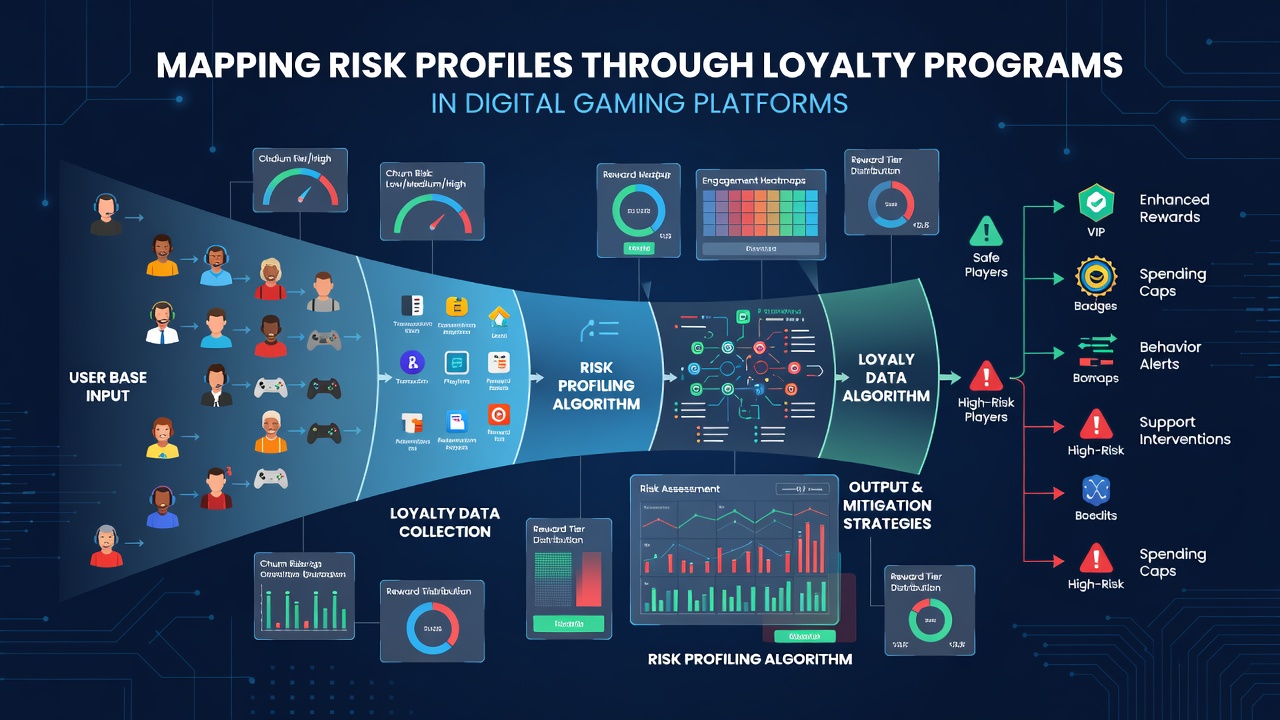
Segmentation often distinguishes between recreational users who maintain steady, moderate activity and those whose patterns suggest accelerated spending or attempts to circumvent platform limits. Data from the American Gaming Association indicates that loyalty programs now incorporate behavioral nudges, such as tailored responsible gaming messages delivered at specific thresholds, to address identified risk indicators without disrupting overall engagement flows.
Regulatory and Industry Applications Across Regions
Regulatory bodies in the United States, Canada, and Australia require operators to demonstrate how loyalty data supports anti-money laundering efforts and player protection measures. These mandates have prompted platforms to integrate loyalty metrics with transaction monitoring systems, creating unified views that track both reward accumulation and financial flows. European operators under varying national frameworks have adopted similar approaches, drawing on research from organizations like the European Gaming and Betting Association to standardize risk indicators derived from reward program interactions.
Take one case where Canadian regulators reviewed loyalty program outputs from multiple sites and identified clusters of accounts with synchronized activity spikes during promotional periods, leading to enhanced verification protocols. Observers note that such integrations help platforms meet reporting obligations while maintaining operational efficiency across diverse markets.
Implementation Examples and Emerging Trends
Platforms in North America and Asia have piloted advanced loyalty modules that use loyalty tier progression as a proxy for risk scoring, adjusting reward availability based on real-time profile assessments. These adjustments include temporary reductions in bonus eligibility for users whose activity aligns with high-risk templates developed from aggregated historical data. Industry reports from 2026 show increased adoption of cross-platform data sharing agreements among operators, allowing for more comprehensive risk mapping when users participate in multiple loyalty schemes.
What's significant is the role of third-party vendors that supply the underlying analytics engines, often incorporating variables from loyalty interactions to improve detection rates for prohibited behaviors such as bonus abuse or multi-accounting. Those who've examined these systems observe that the combination of reward incentives with risk analytics creates feedback loops where player actions directly influence both benefits received and scrutiny applied.
Conclusion
Loyalty programs continue to evolve as central components in risk profiling strategies for digital gaming platforms, leveraging accumulated behavioral data to support compliance, security, and operational decisions across global markets. Figures from industry associations and academic reviews demonstrate consistent growth in the sophistication of these mapping techniques through 2026. As platforms refine their approaches in response to regulatory expectations from diverse jurisdictions, the integration of reward systems with risk assessment tools remains a standard practice in the sector.