Timing Your Exits: The Science Behind Session Management Tools

Session management tools operate at the intersection of behavioral psychology and digital platform design where timing mechanisms help users recognize when to stop, and researchers have examined how these features interact with cognitive processes such as decision fatigue and reward anticipation. Data from multiple studies indicate that structured prompts and timers reduce extended play periods by interrupting automatic behaviors that develop during continuous sessions.
Scientists studying decision-making have identified that players often underestimate elapsed time because of heightened dopamine responses during wins and near-misses, while tools that display real-time session length counteract this distortion by providing external reference points. Evidence from controlled experiments shows participants who receive periodic updates on time and spend tend to adjust their activity more readily than those without such feedback.
The Psychological Mechanisms at Work
Loss aversion and the sunk cost fallacy influence how individuals approach exits from gambling sessions, and session management tools target these biases through scheduled interruptions that encourage reevaluation of current outcomes. Studies reveal that a simple reminder after thirty minutes can prompt users to calculate net results rather than chase previous expenditures, and this shift occurs because the prompt breaks the continuous reinforcement loop that maintains engagement.
Neuroimaging research further demonstrates that exposure to time-based alerts activates areas associated with self-regulation, whereas uninterrupted play correlates with sustained activity in reward centers. Observers note that tools incorporating both time and monetary limits produce stronger effects because they address multiple dimensions of session control simultaneously.
Evidence from Implementation Studies
Trials conducted across regulated markets have measured the impact of mandatory reality checks and voluntary session timers, and results consistently show modest yet measurable reductions in session duration for users who engage with the features. One analysis of platform data found that players who set custom time limits completed fewer than seventy percent of sessions that exceeded the chosen threshold, whereas those without limits showed no such pattern.
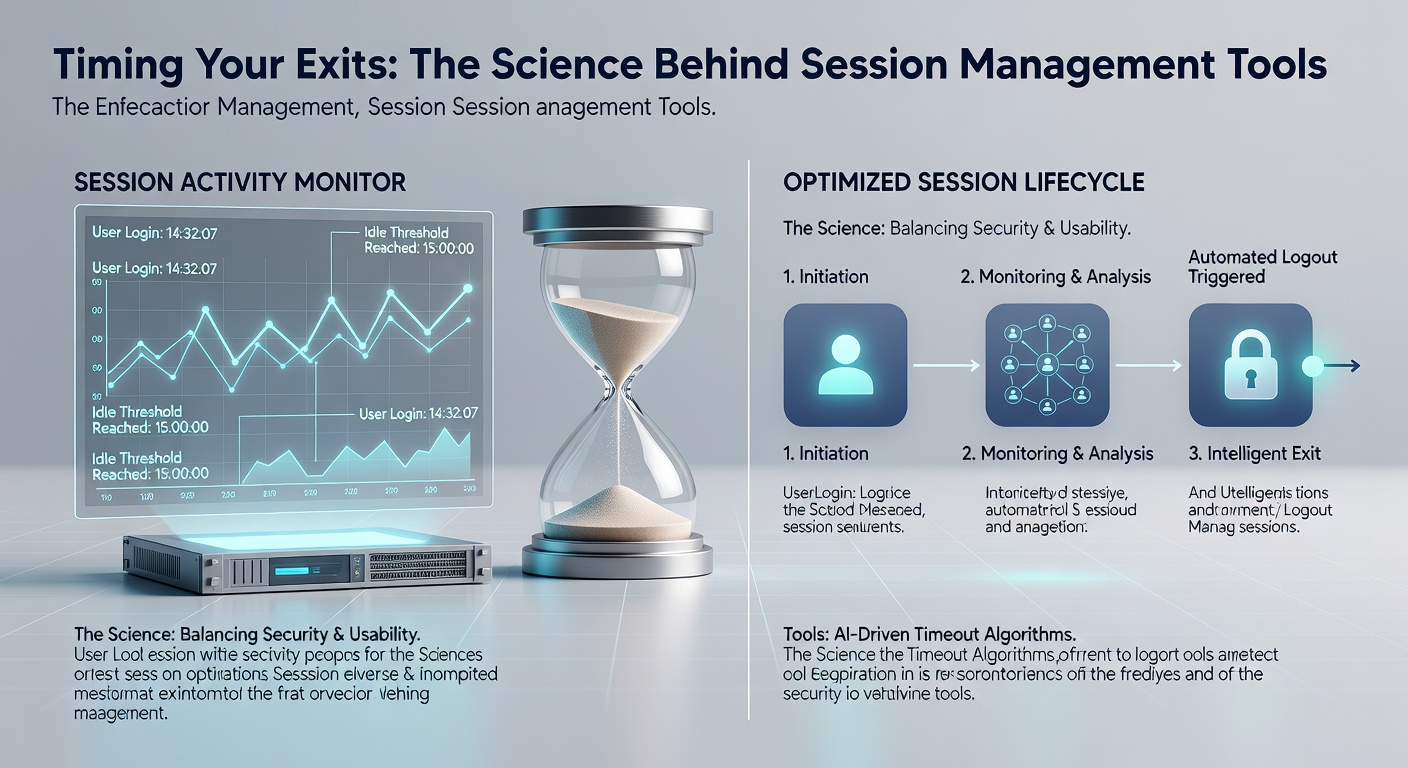
Additional findings from longitudinal tracking indicate that repeated exposure to exit prompts strengthens habit formation around session boundaries, and users gradually require fewer interventions as the behavior becomes internalized. Data collected through 2025 and into May 2026 continues to track whether these patterns persist across different game types and player segments.
Design Variations and Their Outcomes
Platforms deploy several formats of session management including pop-up timers, cooling-off periods after set intervals, and pre-session goal setting interfaces, and comparative research highlights that customizable options yield higher adherence rates than fixed universal settings. Users who select their own parameters report greater perceived control, which correlates with lower rates of override attempts when prompts appear.
Technical integrations now link session data with account-level analytics so that patterns across multiple visits inform personalized recommendations, and such systems have expanded in availability following regulatory updates in various jurisdictions. Reports from the Canadian Centre on Substance Use and Addiction document how these layered approaches combine behavioral nudges with user autonomy to support more consistent application of exit strategies.
Current Developments in May 2026
Updates rolled out in early 2026 introduced adaptive algorithms that adjust prompt frequency based on individual play velocity, and early metrics suggest further gains in session termination rates among high-frequency users. Industry reports compiled by the Australian Institute of Family Studies note that integration of these tools with broader responsible gambling frameworks has increased across multiple operators during the first half of the year.
Cross-platform standards continue to evolve so that session information transfers between devices without resetting counters, and this continuity reduces opportunities for users to circumvent limits through switching methods. Technical evaluations confirm that encryption and privacy controls meet existing data protection requirements while preserving the functionality of the management features.
Conclusion
Session management tools draw on established principles from behavioral science to interrupt prolonged engagement, and accumulated evidence supports their role in helping users maintain intended boundaries. Continued refinement of timing algorithms and delivery methods reflects ongoing analysis of player response data across different regulatory environments. As platforms incorporate these features more deeply into their systems, the focus remains on measurable outcomes derived from controlled observation and longitudinal tracking rather than theoretical projections.