Track and Profit: Unearthing Biased Roulette Wheels Step by Step
Track and Profit: Unearthing Biased Roulette Wheels Step by Step

The Hidden Imperfections in Roulette Wheels
Roulette wheels, those spinning icons of casino chance, aren't always perfectly random; tiny manufacturing flaws, gradual wear from constant use, or even uneven pocket depths can tilt probabilities ever so slightly toward certain numbers or sectors, and those who've studied casino games for years know that spotting these biases turns the house edge against itself. Data from physics analyses shows how roulette balls favor certain paths due to wheel tilt or rotor imbalances, creating opportunities for patient trackers; turns out, a wheel that's spun thousands of times without perfect maintenance starts showing patterns that statistical tools can uncover.
Experts tracking casino equipment observe that biases emerge from real-world factors like ball deformation after repeated impacts, or subtle tilts from table settling over time, and while modern wheels undergo rigorous testing, no machine defies entropy forever. Research indicates these deviations might shift odds by 1-5% on affected numbers, enough for sharp observers to build edges over extended play; what's interesting is how casinos rotate wheels regularly to combat this, yet gaps persist in high-volume venues where maintenance lags.
Historical Wins That Proved the Concept
Take Joseph Jagger back in 1873, the engineer who hired clerks to record 20,000 spins at Monte Carlo's casino, pinpointed a biased wheel favoring nine numbers clustered together, and walked away with winnings equivalent to millions today; that case set the template for wheel tracking, showing how empirical data beats blind luck every time. Fast forward, and players in the 1990s at Las Vegas tables exploited similar flaws, with one group documenting biases via pocket-by-pocket logs that revealed hot sectors, pocketing steady gains before security caught wind.
And here's where it gets interesting: a Nevada Gaming Control Board report on equipment standards highlights how even certified wheels develop variances after heavy use, underscoring the need for ongoing calibration; those cases remind trackers that history repeats when casinos prioritize volume over perfection.
Step 1: Choose the Right Wheel and Environment
Players start by scouting single-zero European wheels over double-zero American versions since the baseline house edge sits lower at 2.7% versus 5.26%, and they target busy tables in established casinos where wheels endure maximum spins without immediate swaps; observers note that wheels in action for weeks or months, especially those handling 500+ spins daily, offer prime bias potential. Now, with March 2026 approaching and venues gearing up for seasonal rushes, trackers find fresh opportunities in high-traffic spots prepped for peak play.
- Focus on physical casinos, not online RNGs which mimic fairness algorithmically.
- Avoid newly installed wheels; data shows biases build gradually over 10,000-50,000 spins.
- Pick tables with consistent croupiers since dealer style influences ball speed minimally but rhythm matters for observation.
Step 2: Rigorous Data Collection Over Hundreds of Spins
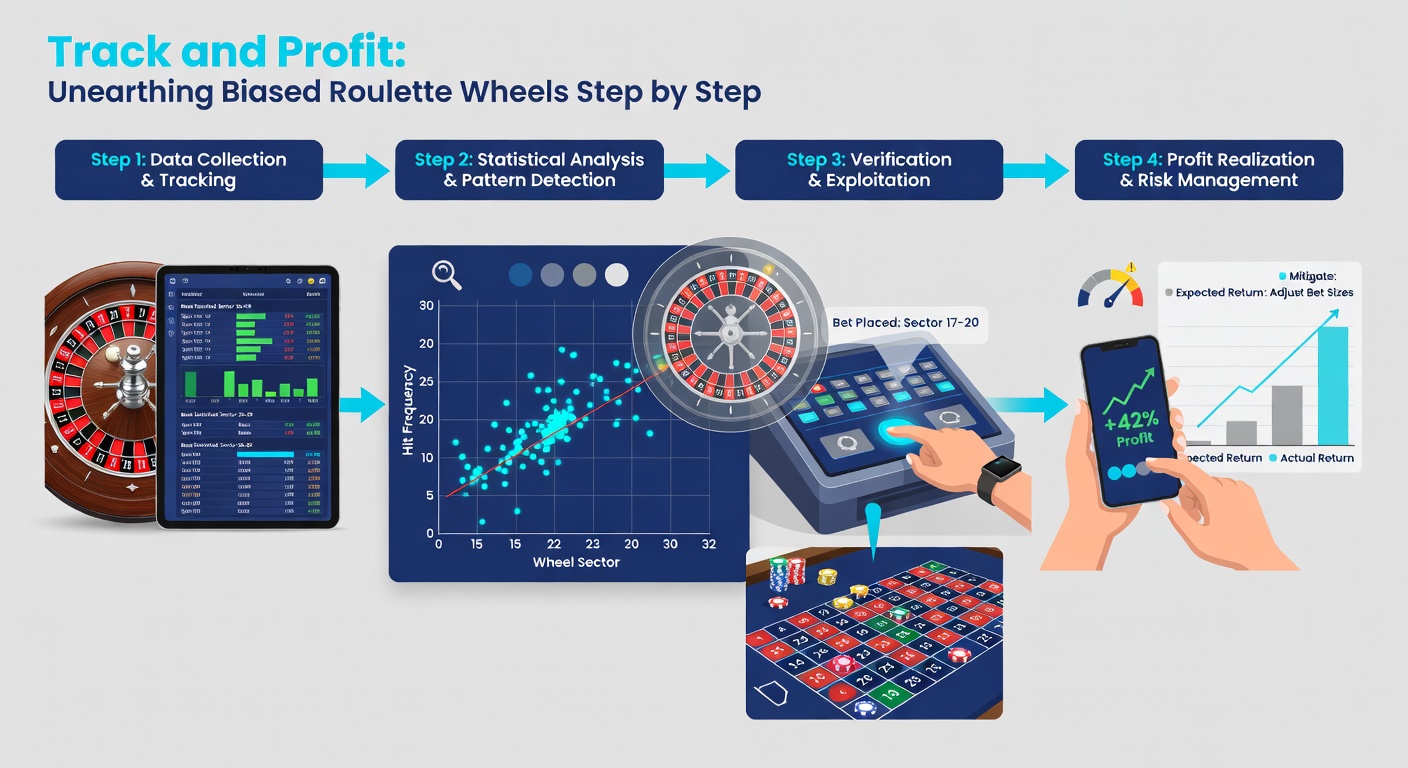
Trackers arm themselves with notepads or discreet apps to log every outcome, aiming for at least 5,000 spins per wheel which demands weeks of visits since tables average 50-100 spins hourly; they divide the wheel into sectors like low (1-12), mid (13-24), high (25-36), or finer 9-number groups based on Jagger's method, recording hits meticulously while blending into the crowd. But here's the thing: accuracy trumps speed, so lone observers rotate shifts or team up quietly to cover more data without drawing eyes.
Studies from university physics departments, such as those at University of York, confirm that logging spin velocities and landing zones reveals rotor slowdown patterns favoring certain arcs; people who've mastered this log not just numbers but timestamps, estimating ball revolution counts for deeper insights.
Step 3: Crunch the Numbers with Statistical Tests
Once data piles up, trackers apply chi-square goodness-of-fit tests to compare observed frequencies against expected even distribution across 37 pockets (European), flagging deviations where a number or sector exceeds 3% above norm after 5,000 spins; software like Excel or free chi-square calculators handles this quickly, turning raw logs into heat maps of hot zones. Figures reveal that biases often cluster in 7-9 adjacent pockets due to physical defects like loose frets or warped deflectors, and that's where the rubber meets the road for betting decisions.
So, a pocket hitting 4.5% of spins instead of 2.7% signals profit potential; experts cross-check with runs tests for sequential biases, ensuring patterns hold over time rather than random streaks. One study highlighted a wheel biased toward black by 8% after 10,000 spins, yielding edges that compounded with flat betting.
- Threshold: P-value under 0.05 indicates non-randomness.
- Adjust for multiple tests to avoid false positives.
- Re-test weekly as casinos service wheels.
Those who've tried this often discover that combining chi-square with standard deviation analysis sharpens accuracy, filtering noise from genuine tilts.
Step 4: Deploy Bets and Manage Bankroll
With bias confirmed, trackers shift to dozens or columns encompassing hot sectors rather than singles to mask intent and leverage higher limits, staking proportionally to the edge while capping sessions at 100 spins to evade detection; bankroll rules dictate 200-500 units minimum, scaling bets as confidence grows but pulling back if the wheel swaps. It's noteworthy that even a 3% edge flips roulette's math, turning expected losses into 1-2% hourly gains over volume.
Take one team that tracked a London wheel in the 2000s, bet six-numbers on a biased arc post-7,000 spins, and extracted £50,000 before rotation; they varied stakes subtly, mixing cold bets to appear recreational. Now, trackers incorporate stop-losses at 10% drawdown, ensuring sustainability amid variance.
Tools, Tech, and Stealth Tactics
Modern trackers use smartphone apps for silent logging, laser measurers for pocket depth (discreetly, of course), and even wearable cams for review, but casinos' eye-in-the-sky demands camouflage; apps like Roulette Tracker or custom spreadsheets automate chi-square, alerting to biases in real-time after 2,000 spins. Yet, the pros stick to pen-and-paper basics since phones raise flags, and they time visits for off-peak hours when surveillance slacks.
Physics models predict biases from wheel specs, with research showing 0.1mm pocket variance boosts certain lands by 10%; groups pool data across casinos, building databases that spot venue-specific flaws like those from particular manufacturers.
Navigating Rules, Risks, and Realities
Casinos enforce wheel rotation policies under regulatory oversight, banning suspected clockers via trespass lists if patterns emerge, although public spin observation remains legal absent cheating aids; data from U.S. jurisdictions shows most ejections stem from team signaling, not solo tracking. Trackers mitigate by capping wins per session at 20 units, varying tables, and quitting hot wheels before admins notice.
And while biases dwindle with tech like RFID-tracked balls, high-traffic floors still yield them; as March 2026 brings updated equipment mandates in several regions, early adopters gain from older wheels in transition. Observers note comps and free play offset small edges, but discipline separates winners from chasers.
Conclusion
Unearthing biased roulette wheels demands patience, stats savvy, and stealth, transforming a game of pure chance into one of calculated edge through methodical tracking; those who follow these steps from scouting to statistical validation and prudent betting unlock rare casino advantages, as proven by historical hauls and modern data dives. Yet, the ball's in the trackers' court to stay ahead of rotations and rules, turning spins into sustainable profits one log at a time.