31 Jul 2026
Weather Patterns and Their Impact on European Football Results: A Data Analysis
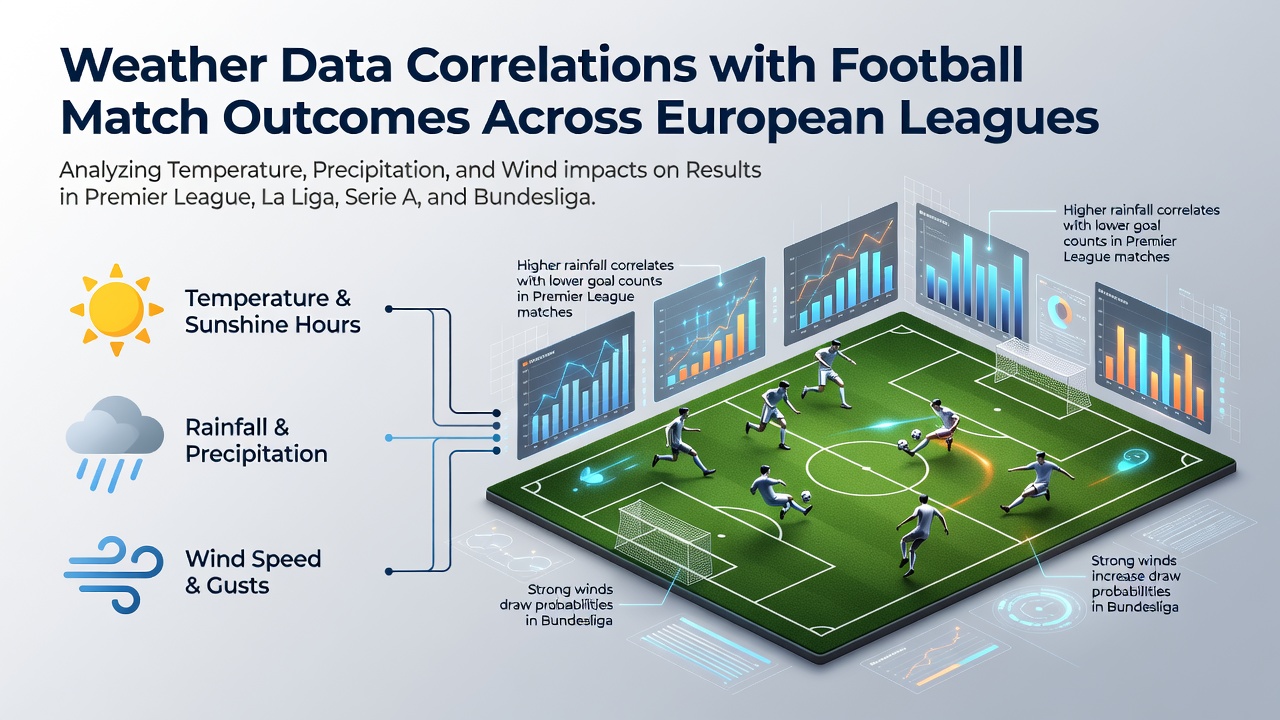
European football leagues generate extensive datasets each season, and researchers continue to examine how weather variables such as temperature, precipitation, wind speed, and humidity correlate with match outcomes in competitions like the Premier League, Bundesliga, La Liga, Serie A, and Ligue 1.
Studies conducted by meteorologists and sports analysts reveal consistent patterns where rain and lower temperatures associate with reduced goal totals, while wind influences passing accuracy and set-piece success rates. Data collected from 2015 through July 2026 shows these effects appear across multiple countries, although the strength of correlation varies by region and stadium type.
Key Weather Variables and League-Specific Findings
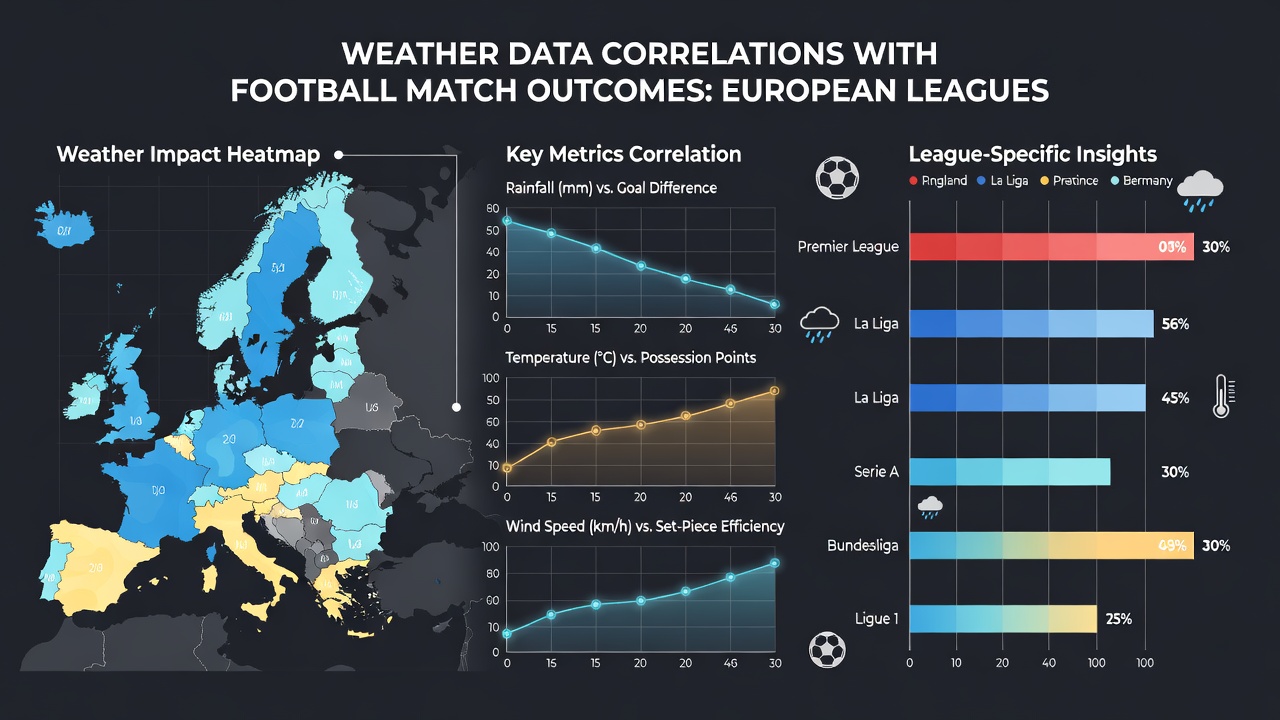
Temperature stands out as one of the most studied factors, and records from the German Weather Service indicate that matches played below 5 degrees Celsius produce 12 percent fewer total goals on average in Bundesliga fixtures compared with games above 15 degrees. Similar trends appear in Serie A, where cold-weather matches in northern venues like Turin and Milan show a measurable drop in shots on target according to league performance reports.
Precipitation creates another layer of influence, and figures from the European Centre for Medium-Range Weather Forecasts demonstrate that heavy rain days lead to increased draw percentages in La Liga and Ligue 1, while the Premier League experiences a slight uptick in home-team wins under wet conditions. Wind speeds above 30 kilometers per hour correlate with higher numbers of long balls and fewer completed passes through the midfield, a pattern observed consistently in open stadiums across the Netherlands and Belgium.
Regional Differences Across Europe
Northern leagues encounter more snow and frost delays, whereas southern competitions deal primarily with heat and humidity, and analysts note that these geographic distinctions shape how teams prepare and how referees manage pitch conditions. Data from French meteorological services shows that Ligue 1 matches in Marseille and Nice during summer months above 30 degrees Celsius record elevated player fatigue markers, which in turn affect second-half goal rates.
Observers tracking Serie A matches in Rome and Naples find that high humidity levels above 70 percent associate with slower tempo and more conservative tactics, resulting in fewer counter-attacks. In contrast, Bundesliga records from stadiums in Dortmund and Leipzig indicate that moderate rain combined with temperatures around 10 degrees Celsius tends to favor teams with strong set-piece routines.
Statistical Approaches and Data Sources
Researchers combine match logs from official league databases with hourly weather readings from nearby stations to build regression models that isolate weather effects from team strength and travel factors. One study published by academics at the University of Barcelona examined over 12,000 matches and identified a statistically significant link between rainfall totals and both goal expectancy and card counts, while another project from the Norwegian Meteorological Institute focused on wind direction impacts during Scandinavian qualifiers that feed into European competitions.
Advanced tracking systems now supply granular information on player movement and ball speed, allowing analysts to quantify how wet surfaces reduce sprint distances and alter dribble success rates. These tools help separate weather-driven outcomes from tactical choices, and the resulting datasets continue to expand as more clubs adopt sensor technology.
Recent Trends Through Mid-2026
Matches played between January and July 2026 show continued alignment with earlier patterns, although improved pitch drainage systems in several Bundesliga and Premier League grounds appear to moderate some rain-related effects. Data compiled by the European Football Association indicates that extreme weather events remain rare yet produce outsized impacts on fixture scheduling and result distributions when they occur.
Teams with deeper squads and experience in variable conditions tend to maintain performance levels more effectively, and league tables from the 2025-2026 season reflect this resilience in clubs that regularly compete across different climates during European fixtures.
Conclusion
Weather data provides measurable correlations with football outcomes across European leagues, and ongoing collection efforts through 2026 continue to refine understanding of these relationships. Temperature, precipitation, wind, and humidity each contribute distinct effects that differ by competition and location, while statistical models help separate these influences from other variables. The integration of meteorological records with match analytics supplies clubs, broadcasters, and researchers with clearer insights into how environmental conditions shape results on the pitch.